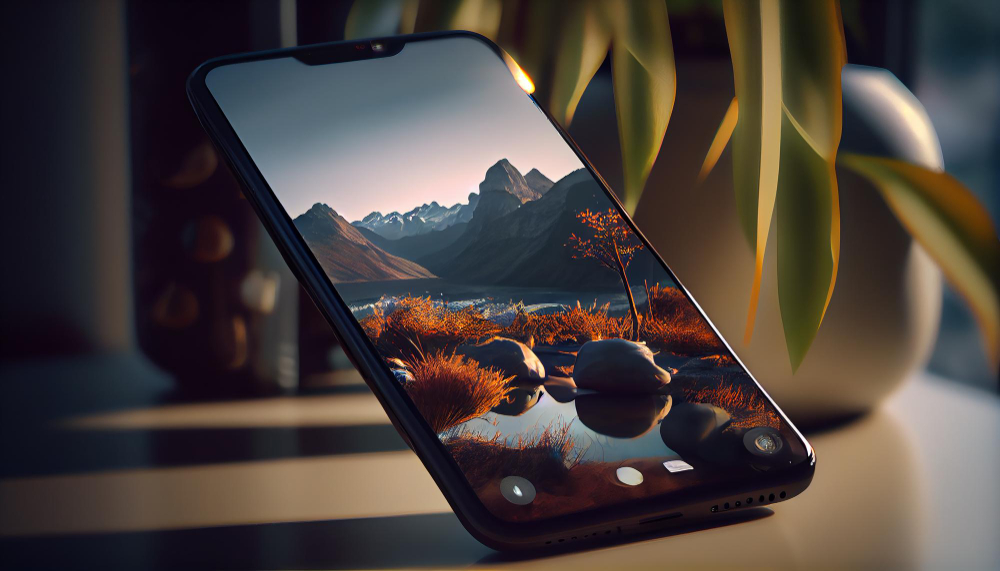
Smartphones have become essential tools in modern life, combining communication, productivity, entertainment, photography, navigation, and online access in one compact device. Among the most widely used mobile operating systems, Android stands out for its flexibility, broad device range, and strong connection with everyday digital services. From budget phones to premium flagships, Android smartphones offer options for many different users and needs.
What Is Android?
Android is a mobile operating system developed for smartphones, tablets, and other smart devices. It allows users to install apps, browse the internet, take photos, manage files, send messages, make calls, and connect with online platforms. One of Android’s biggest strengths is that it is used by many manufacturers, including Samsung, Xiaomi, Google, OnePlus, Motorola, and others.
Because Android appears on so many devices, users can choose between different screen sizes, battery capacities, camera systems, prices, and design styles. Someone who mainly uses a phone for calls and messaging may choose a simple model, while another user who searches for services such as online casino mit bonus may prefer a faster device with a better display and stronger security options.
The Main Advantages Of Android Smartphones
Android smartphones are popular because they offer freedom and variety. Users can customize home screens, widgets, app layouts, keyboards, launchers, notification settings, and default apps. This makes the experience more personal than many closed systems.
Another advantage is the large app ecosystem. The Google Play Store includes apps for banking, learning, fitness, travel, shopping, games, work, communication, and entertainment. Android also supports many Google services, such as Gmail, Maps, Drive, Photos, Calendar, and YouTube. For users who follow news, sports results, lottery-related content like euromilion, or financial apps, Android provides quick access through dedicated apps and mobile browsers.
Hardware Variety And Price Categories
Android phones are available in several price levels. Entry-level devices are usually suitable for basic tasks such as calling, texting, social media, and light browsing. Mid-range models often provide better screens, stronger processors, longer battery life, and improved cameras. Premium phones include advanced displays, powerful chipsets, high-quality materials, fast charging, waterproofing, and professional-level camera systems.
This variety is useful because not every user needs the most expensive phone. A student may value battery life and affordability, while a content creator may need excellent video quality. A business user may prioritize security, storage, and performance. Someone who frequently browses online platforms, including searches like online casino mit bonus, should also consider screen quality, privacy settings, and reliable software updates.
Apps And Everyday Use
Apps are the heart of the smartphone experience. Communication apps help people stay connected through messages, calls, and video chats. Productivity apps support calendars, notes, documents, email, and cloud storage. Entertainment apps provide music, films, games, podcasts, and social media.
Android makes multitasking easy on many devices. Users can switch between apps quickly, use split-screen mode on supported phones, and receive smart notifications. This is helpful when someone is checking emails, following a euromilion result page, listening to music, and using navigation during the same day. The smartphone becomes a personal digital assistant rather than just a phone.
Security And Privacy On Android
Security is a major topic for every smartphone user. Android devices usually include screen locks, fingerprint sensors, face recognition, app permissions, encryption, and regular security patches. Users should keep their operating system and apps updated because updates often fix security weaknesses.
It is also important to download apps only from trusted sources. Unknown apps can contain malware, tracking tools, or misleading features. Users should review permissions carefully. A weather app, for example, may need location access, but it usually does not need full access to contacts or messages. People who use financial apps, shopping apps, or entertainment platforms connected to payments should be especially careful.
Battery Life And Performance
Battery life depends on the phone’s battery capacity, processor efficiency, screen brightness, network connection, and usage habits. Streaming video, gaming, GPS navigation, and high screen brightness use more power than reading or messaging. Many Android phones include battery-saving modes that reduce background activity and extend usage time.
Performance is also affected by storage space, RAM, app quality, and software optimization. A phone with too many background apps may feel slower over time. Cleaning unused apps, restarting the device occasionally, and keeping enough free storage can improve daily performance. Users who often browse demanding websites or gaming-related content such as online casino mit bonus may benefit from a phone with more RAM and a stronger processor.
Cameras And Mobile Photography
Smartphone cameras have improved dramatically over the years. Modern Android phones can take sharp photos, record high-resolution videos, capture night scenes, and use artificial intelligence to improve colors, focus, and exposure. Many devices include multiple lenses, such as wide, ultra-wide, macro, and telephoto cameras.
For many people, the smartphone has replaced the compact camera. It is used for family photos, travel memories, social media, work documents, product pictures, and video calls. Camera quality is not only about megapixels; sensor size, image processing, optical stabilization, lens quality, and software also matter.
Android Updates And Long-Term Use
Software updates are important because they bring new features, security improvements, and better stability. Some brands provide longer update support than others. Before buying an Android phone, users should check how many years of operating system and security updates the manufacturer promises.
Long-term use also depends on build quality, battery health, and storage capacity. A phone with enough storage and strong update support may remain useful for many years. Users who rely on their phone for banking, identity verification, or following digital services such as euromilion should choose a device that remains secure over time.
Choosing The Right Android Smartphone
Choosing the right Android phone starts with understanding personal needs. Important factors include budget, screen size, battery life, camera quality, storage, performance, update support, charging speed, and durability. A person who mainly uses messaging apps does not need the same device as someone who edits videos or plays demanding mobile games.
It is also worth comparing reviews, real user feedback, and warranty conditions. The best phone is not always the most expensive one, but the one that fits the user’s habits. A balanced Android smartphone should feel comfortable, reliable, fast enough, and safe for daily digital life.
Final Thoughts
Android smartphones are powerful, flexible, and available in a wide range of models for different lifestyles. They support communication, learning, work, entertainment, photography, and online services in a practical way. With the right device, careful app choices, regular updates, and good security habits, an Android phone can remain a useful and reliable companion for everyday life.