Xiaomi President Lu Weibing believes there is one way to mitigate the impact of smartphone price hikes on consumers.
The AI boom has pushed memory manufacturers to shift their priority from standard consumer RAM to building high-margin server memory for AI data centers. To this end, fewer production lines remain open for phone memory chips, resulting in a scarce commodity and skyrocketing memory prices. In the end, smartphone makers have no choice but to adjust their device prices, which explains the recent series of price hikes.
Xiaomi earlier promised to absorb the hike in the early days of the memory crisis. However, it later followed the trend, leading even its budget phones to see price increases.
However, Lu Weibing has said in a recent interview that one way to mitigate the impact of the hike is to improve smartphone quality.
“If you want to sell a product at a higher price, the key is to make users feel that it is worth more than its price,” Lu Weibing stated. “This time, the K100 Pro series exceeded my expectations and the expectations of many others. This is because while the cost of this product has increased, we have been adding features to make the product better.”
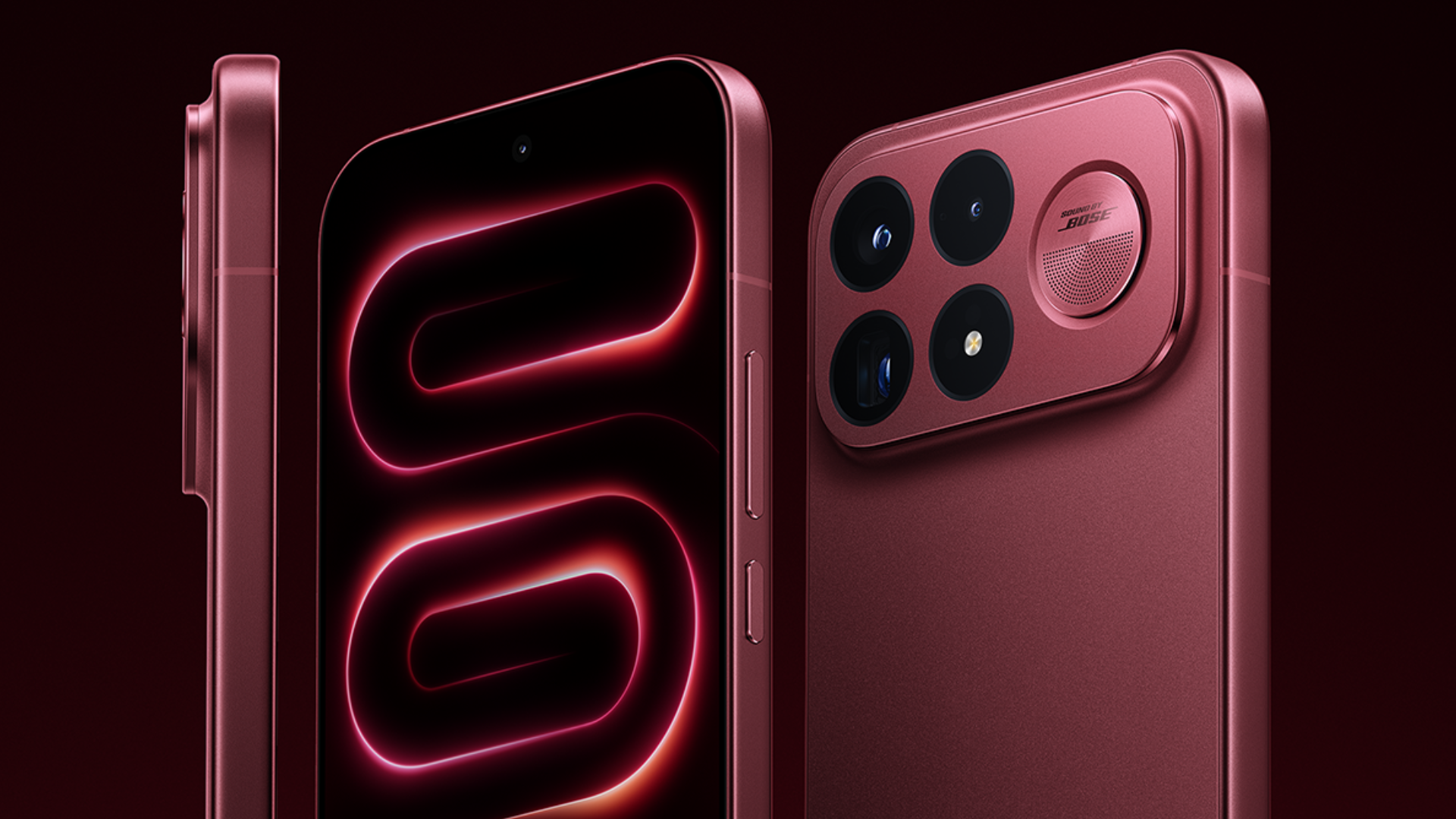
To recall, the Redmi K100 Pro series debuted in August, boasting a handful of upgrades. To start, the standard Pro has a binned Snapdragon 8 Elite Gen 5 V Series chip, a 6.56″ 1.5K 185Hz OLED, a 2.5x telephoto camera, an 8MP ultrawide, and an 8580mAh battery. The Pro Max model takes things further by delivering a Snapdragon Elite Gen 5 chip, a 6.9″ 2608x1200px 185Hz AMOLED display, a 50MP periscope telephoto with 5x optical zoom, a 50MP ultrawide, and a larger 9070 mAh battery. In other sections, both phones have the same details, including in their LPDDR5X Ultra RAM, UFS 4.1 storage, 200MP 1/1.56″ main cameras, charging speeds (100W wired, 50W wireless, and 27W reverse wired), and IP66/68/69 ratings.