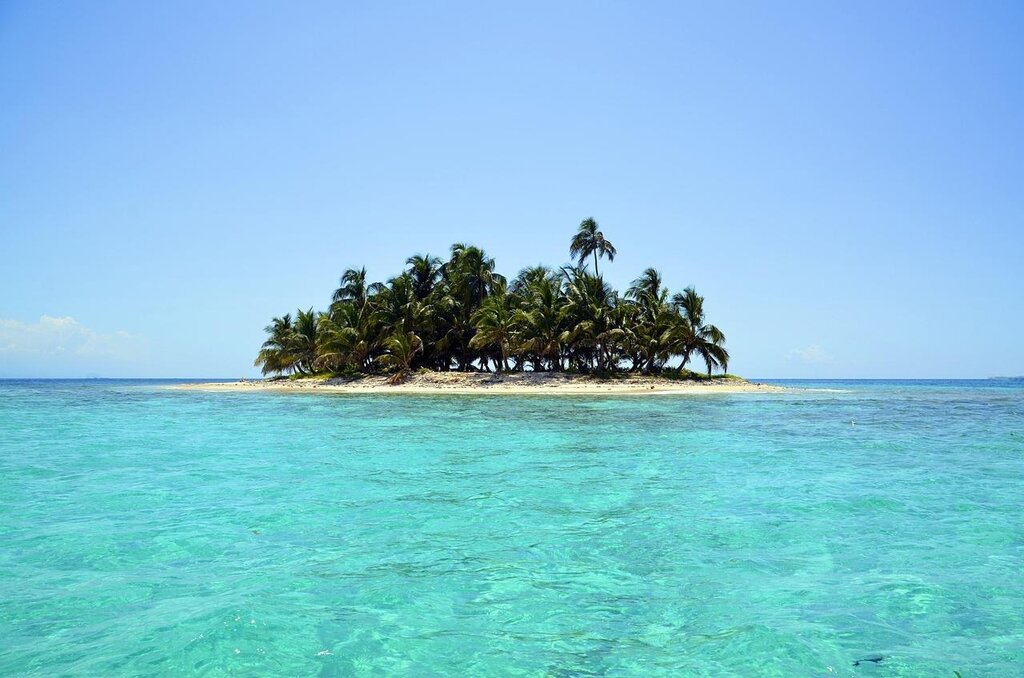
There’s something timeless about the dream of owning a private island — that vision of turquoise waters, white sands, and ultimate seclusion. Today, Islands Sale opportunities span every ocean, offering investors and lifestyle buyers the chance to own something rare: a private sanctuary that blends luxury with long-term value. Whether it’s a secluded retreat in the Anambas Archipelago or a luxury island estate in the Caribbean, these properties deliver unmatched privacy, exclusivity, and potential.
The Global Market for Islands and Beaches
The global appetite for private islands and beaches continues to grow. Buyers range from high-net-worth individuals seeking exclusivity to resort developers creating eco-luxury destinations. From Indonesia to the Caribbean, private island properties are increasingly seen as both lifestyle purchases and strategic investments.
Key factors driving demand:
- A shift towards experiential, remote living.
- Limited supply of pristine coastal land.
- Increased accessibility via private airstrips and marinas.
- Government incentives for sustainable tourism development.
In prime destinations like the Maldives, Fiji, and the Bahamas, private island values have appreciated steadily, even in uncertain markets. Ownership represents both status and security — an asset that’s tangible, timeless, and resilient.
Prime Locations and Price Trends
Different regions cater to different buyer profiles. The Caribbean remains the global leader, offering accessibility and stable governance, while Southeast Asia — particularly Indonesia’s Anambas Islands — provides exceptional value and development flexibility.
| Region | Price Range (£) | Highlights |
|---|---|---|
| Caribbean | 2–30+ million | White-sand beaches, strong tourism market |
| Southeast Asia | 1–15 million | Emerging eco-resort markets, stunning reefs |
| North America | 0.5–20 million | Easy access, turnkey private estates |
| Europe | 3–25 million | Mediterranean culture and stable infrastructure |
The key to success is balance — accessibility without overdevelopment. Islands with helipads, private marinas, or proximity to international airports retain the strongest long-term appeal.
The Buying Process
Purchasing a private island isn’t a standard real estate deal. It involves specialist brokers, local legal experts, and environmental consultants. A typical process includes:
- Title verification — Confirming ownership and zoning permissions.
- Environmental review — Ensuring compliance with coastal and marine laws.
- Infrastructure checks — Assessing utilities, access, and logistics.
- Transaction management — Handling taxes, fees, and currency transfers.
Always conduct site visits in both wet and dry seasons to assess shoreline integrity and weather impact. Financing is often handled through direct capital or private lending arrangements, given that many banks avoid underwriting island assets.
Development and Sustainability
Building on an island presents unique challenges. Developers must consider logistics, local regulations, and environmental sensitivity. The most successful resorts and private estates combine sustainability with luxury — renewable energy systems, water desalination, and eco-sensitive architecture are now standard.
Core development essentials:
- Energy: Solar or hybrid systems for full autonomy.
- Water: Desalination or rain-harvesting infrastructure.
- Waste: Closed-loop management with zero discharge.
- Connectivity: Reliable internet and communication networks.
- Access: Jetty, seaplane dock, or airstrip integration.
Sustainability isn’t just ethical — it drives long-term value. Eco-certified properties command higher resale prices and appeal to modern luxury travellers seeking responsible escapes.
Investment Insights
Private islands and beaches are appreciating assets. Turnkey properties command higher entry prices, while undeveloped land offers greater upside for visionary investors. Well-positioned developments can deliver annual returns of 8–12%, with resale premiums often exceeding mainland benchmarks.
Emerging destinations like Indonesia’s Anambas Islands, Belize, and parts of Central America are gaining traction due to lower entry costs and flexible development frameworks. For institutional investors, these areas represent early-stage opportunities with high scalability potential.
Key Takeaways
- Limited Supply, High Demand: Private islands remain one of the world’s rarest asset classes.
- Regional Diversity: Caribbean and Southeast Asian islands offer strong balance between accessibility and exclusivity.
- Sustainability Pays: Eco-conscious builds enhance both brand value and guest appeal.
- Legal Clarity is Vital: Always verify ownership, permits, and access rights before purchase.
- Long-Term Vision: Islands perform best as legacy assets — appreciating with time and thoughtful stewardship.
Owning a private island or beachfront estate isn’t just about luxury — it’s about creating a lasting legacy in one of the world’s most finite and beautiful resources. For expert assistance in finding or developing your dream property, contact Kepri Estates and start your journey toward owning your own slice of paradise.