Huawei has shared why the folding style of the Huawei Mate XT 2 differs from that of its predecessors.
The Mate XT and Mate XTs arrived with a Z-folding mechanism that employs both inward and outward folding motions for the devices’ triple displays. As such, it surprised many that the XT 2 arrived with a different style.
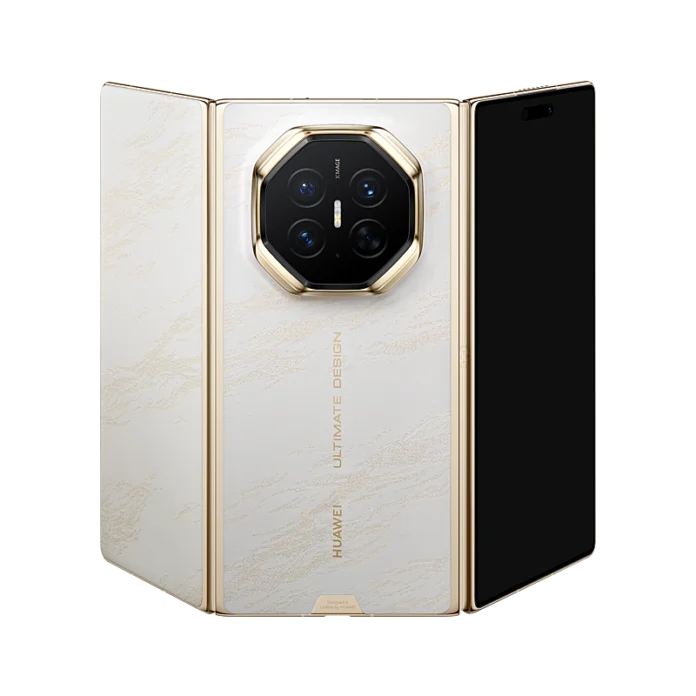
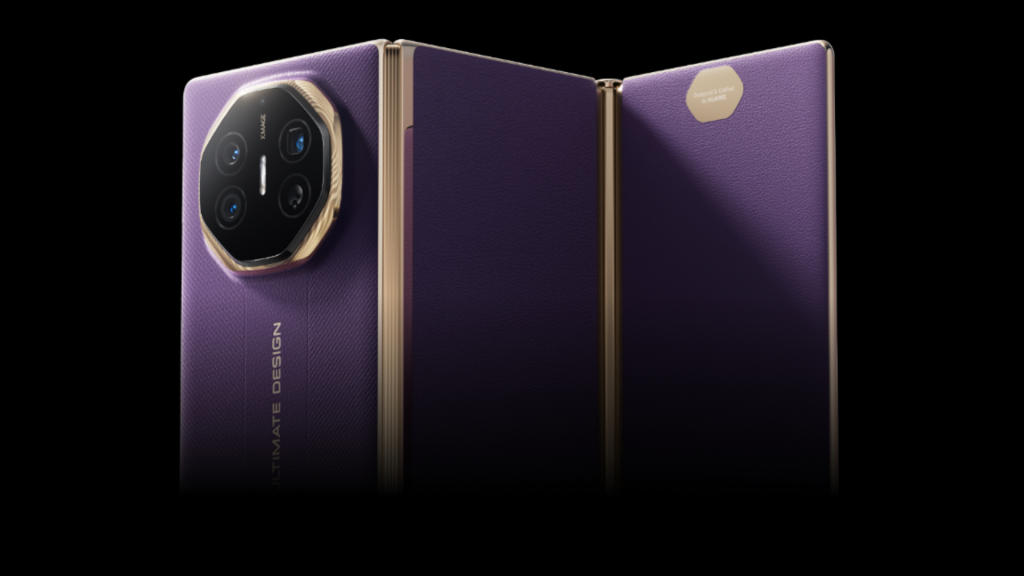
Compared to its predecessors, the new Huawei trifold now boasts an inward-folding U-shaped mechanism. It also added a dedicated cover display, giving users a total of four screens in the device.
During the Huawei Terminal Innovation Technology Communication Conference, the brand explained the significant change in the phone.
As suggested by the Chinese brand, it is part of the technology development and a breakthrough in the industry. Unlike in the early days of its trifold phones, Huawei was still struggling to make a device that was light and thin. This is why earlier Mate XT models employed the Z-folding mechanism, which eliminated the need for an external display.
Thankfully, as smartphone technology improves, Huawei has found a way to make devices with lighter and thinner bodies. This allowed it to adopt a new folding mechanism and add another screen in the Mate XT 2.
To recall, the Huawei Mate XT 2 is available in black, white, and purple variants. It starts at CN¥19,999 ($2,980) for a 16GB/256GB variant, while its highest 16GB/2TB configuration sells for CN¥29,999 ($4,470).
Here are more details about the Huawei Mate XT 2 Ultimate Design:
- Kirin 9050 Pro
- 16GB/256GB, 16GB/512GB, and 16GB/1TB
- 6.5” external FHD+ 1-120Hz LTPO OLED
- 10.2″ internal 3K 1-90Hz LTPO OLED
- 50MP 1/1.28″ f/1.49-f/4.0 RYYB main camera with OIS + 40MP RYYB ultrawide + 50MP RYYB f/2.2 periscope telephoto with OIS + Red Maple Gen 3
- 8MP internal and external selfie cameras
- 5600mAh battery
- 66W wired and 50W wireless charging
- Side-mounted fingerprint scanner
- IP58 and IP59 ratings
- HarmonyOS 7.0